 Read Online

 Order Now

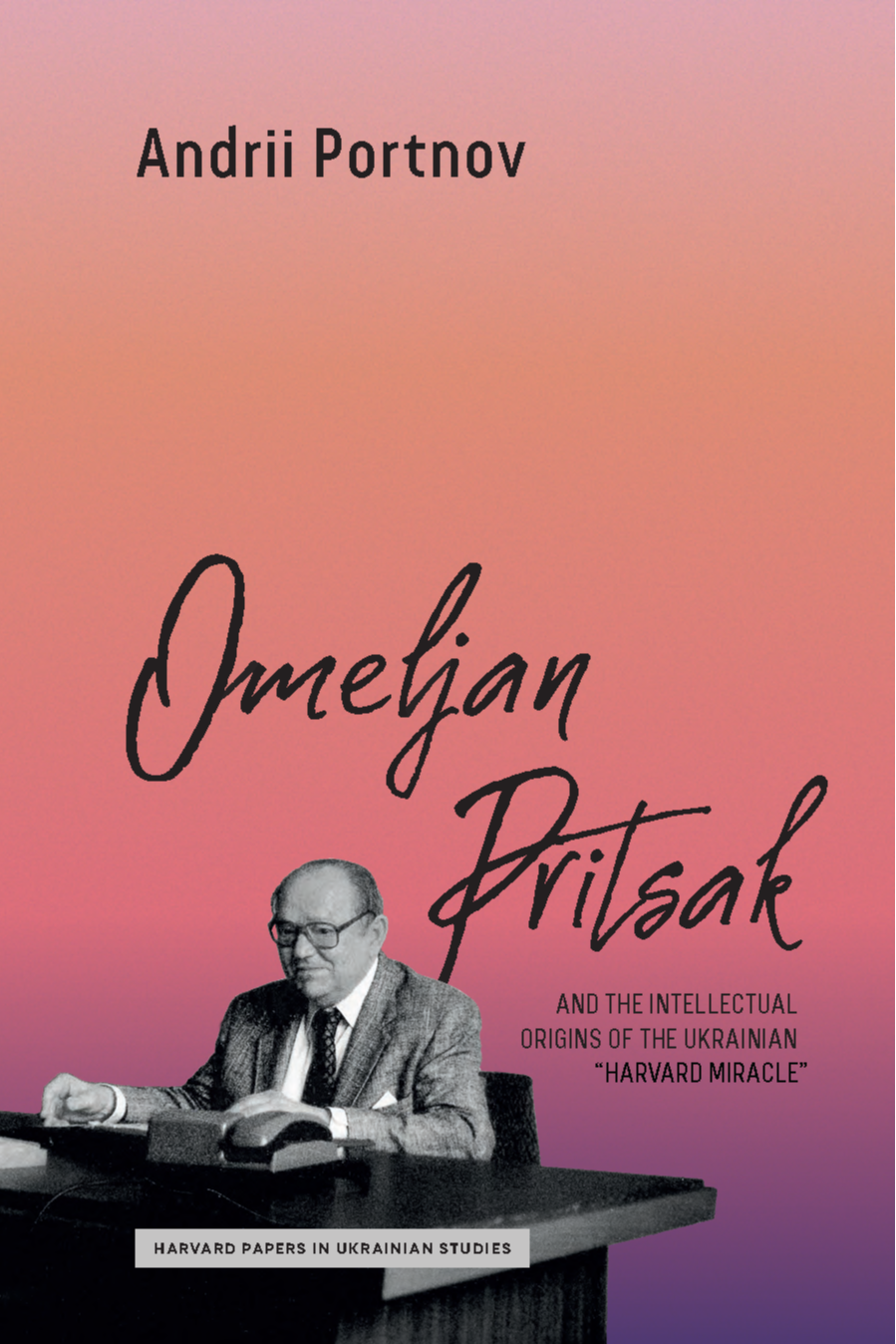
Born during the Ukrainian-Polish War in Galicia (western Ukraine), Omeljan Pritsak grew up in a world of collapsing empires and changing governments. His academic journey started at the Jan Kazimierz University in Lviv, which Pritsak entered in 1936. There, he studied Semitic, Iranian, and Altaic languages and developed an interest in the history of the steppe world.
Several times, the KGB tried to recruit him for intelligence work. His case file was named “Linguist” and stated that “Pritsak is a professor at the University of Hamburg, speaks eighteen languages, [and] has great connections among the Ukrainian emigration in the West.”
Pritsak’s academic rise was remarkable, especially given his social and ethnic background. After wartime upheavals and German captivity, he resumed his studies at the University of Göttingen, where he specialized in Turkology and Iranistics. In 1957, at the age of thirty-eight, he was appointed professor of Turkology at the University of Hamburg; later, he worked at the University of Washington in Seattle as a professor of Turkic and Central Asian History.
In 1964, Pritsak was appointed as a professor of Linguistics and Turkology at Harvard, where he would later co-found the Harvard Ukrainian Research Institute.
Pritsak’s life reflects the intellectual and political dramas of twentieth-century Europe—and the making of Ukrainian Studies as a global academic field.